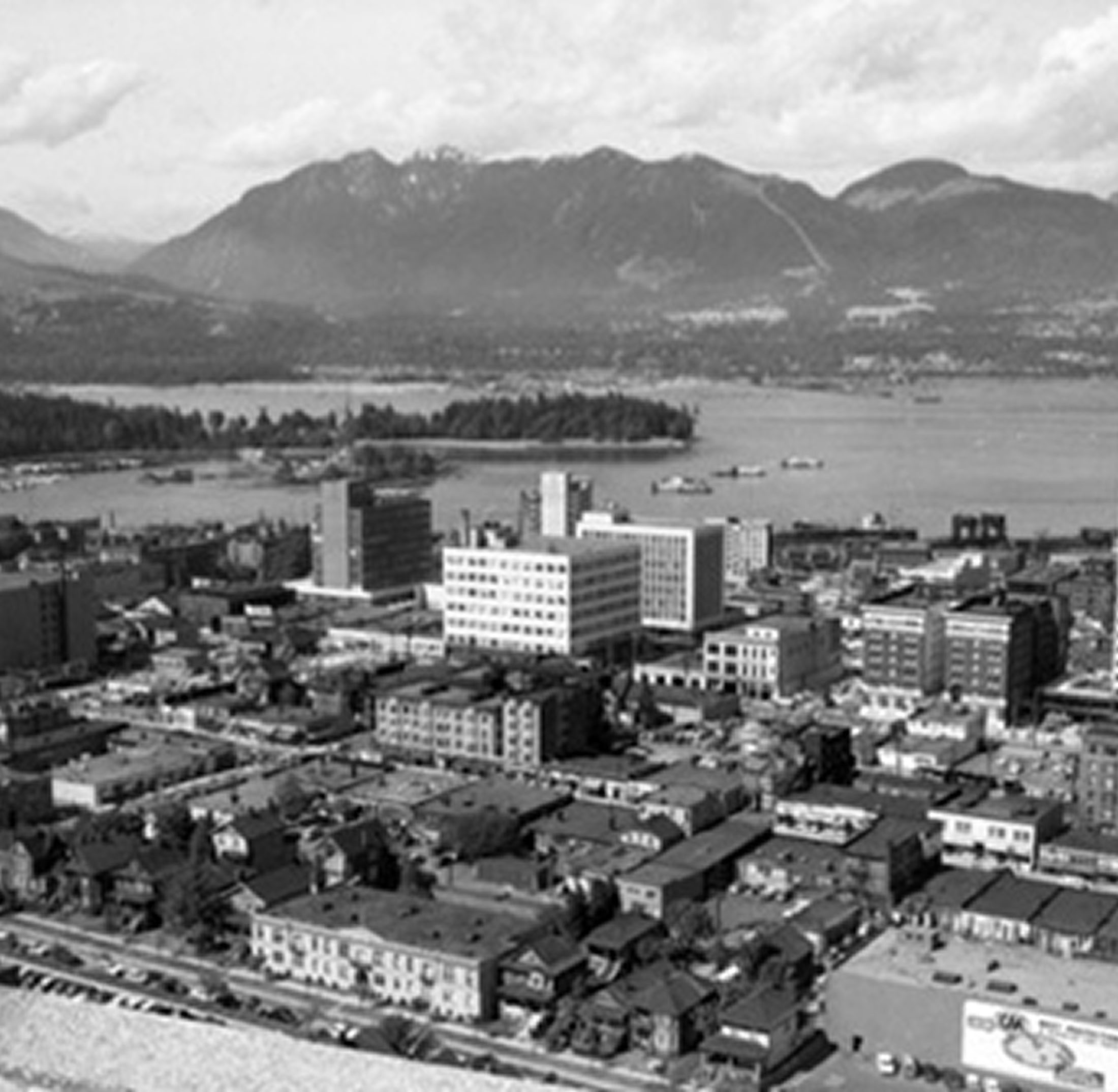

Suspension bridge over water, forested mountains and city.

From community care to legacy preservation, Ratcliff is committed to doing what’s right in every moment Advocates for community


We are nationally recognized for our work in Indigenous and constitutional law, and have long-standing relationships with First Nations governments, organizations, and businesses. With dedication and care for our clients, our North Vancouver community law practice also advocates for local businesses and individuals.

  • 1950 | Firm Founded

    We didn’t set out to build a reputation.

    We set out to do what was right. Ratcliff was founded in 1950 by Kenneth Ratcliff on the North Shore of Vancouver. Ken Ratcliff built his practice around a simple idea: the law is there to help people. That meant showing up for clients, treating them with respect, and taking on work that mattered, even when it wasn’t easy. That approach shaped the firm early. And over time, it became something more than a way of working – it became the standard we hold ourselves to.

    That’s still how we operate today.

  • 1960 | Pioneering Change

    Where it began

    In the 1960s, Ratcliff began working for the Squamish Nation. At the time, Aboriginal law was not a defined area of practice. There was no clear legal framework for addressing how governments had managed Indigenous lands, or what obligations the Crown came along with doing so. Through that work, one of our lawyers, Paul Reecke, began exploring legal arguments that drew on principles of trust law, asking whether the Crown’s role in managing reserve lands carried enforceable duties. Not fully recognized in Canadian law at that time, those ideas formed the foundation for what came next.

  • 1977 | Evolving Legal Landscape

    A long view of the law

    In 1977, Ratcliff filed what became known as the Omnibus Action on behalf of the Squamish Nation. It was a strategic move. New limitation laws were coming into force, and the goal was to preserve a broad range of claims relating to multiple Reserves while the legal landscape continued to evolve. But it was more than that. It reflected an approach that defines our work to this day:

    • taking a long-term view
    • thinking carefully about structure and strategy
    • staying committed to the outcome, even when it takes decades

  • 1990 | Setting Precedent

    One case, many outcomes

    From that broader action, the parties agreed to advance a single claim as a test case. Often referred to as the Kitsilano case, that litigation proceeded as Mathias v. The Queen. The trial began in the mid-1990s. The decision, released in 2001, marked a turning point. Following the Squamish Nation’s success, the remaining claims preserved in the Omnibus Action were resolved through negotiation, resulting in a comprehensive settlement. But the real impact wasn’t just legal. It was practical. It contributed to the return of land. It created the conditions for long-term planning and development. And it continues to shape what those lands are today.

  • 2000’s | Long-Term Partnerships

    From rights to responsibility

    As the law evolved, so did the work. The focus expanded from asserting rights in court to also supporting Indigenous governments in exercising jurisdiction over land, governance, and economic development. Lawyers like Gary Yabsley worked alongside Indigenous leaders during the era of constitutional development and beyond, including through modern treaty negotiations. This work required more than legal knowledge. It required:

    • patience
    • trust
    • and a deep understanding of how legal, political, and cultural systems intersect

    That’s where Ratcliff found its role – not just as legal advisors, but as long-term partners.

  • 2020’s | Continuing the Work

    What it looks like today

    Today, the work continues in many forms. While we remain at the forefront of advancing Indigenous interests in the court and through negotiation, it also shows up in:

    • treaty implementation
    • governance and law-making
    • economic development and land use
    • and the day-to-day decisions that shape communities and lives

    Some outcomes are visible, like projects, developments, restored lands. Others are quieter – structures that work, agreements that hold, decisions made with confidence. All of it is connected.

  • 2020’s | Community Matters

    More than one story

    While serving Indigenous communities remains a core part of who we are, it is not the whole story. We work with individuals, families, organizations, and communities across a range of legal matters, from real estate and estates to public law and litigation. The same approach carries through:

    • clear advice,
    • steady guidance, and
    • a focus on what matters most to the people we serve

    Because whether the issue is constitutional or personal, the responsibility is the same.

  • 2026 | Doing What’s Right, Always

    Looking ahead

    Ken Ratcliff built this firm on the belief that the law should serve people. That belief still guides us. We are a firm that:

    • leads with values
    • builds relationships over time
    • and measures success by whether the work made a difference

    The legal landscape continues to shift, toward implementation, accountability, and long-term sustainability. Our role is to meet that shift with the same clarity and care that has guided us from the beginning. Not by changing who we are. But by continuing to do what we’ve always done: stand with our clients, and do what’s right.

  • Black-and-white cityscape with harbor and mountains
  • ratcliff squamish city boats mountains
  • ratcliff squamish welcome man
  • ratcliff mathias v. the queen
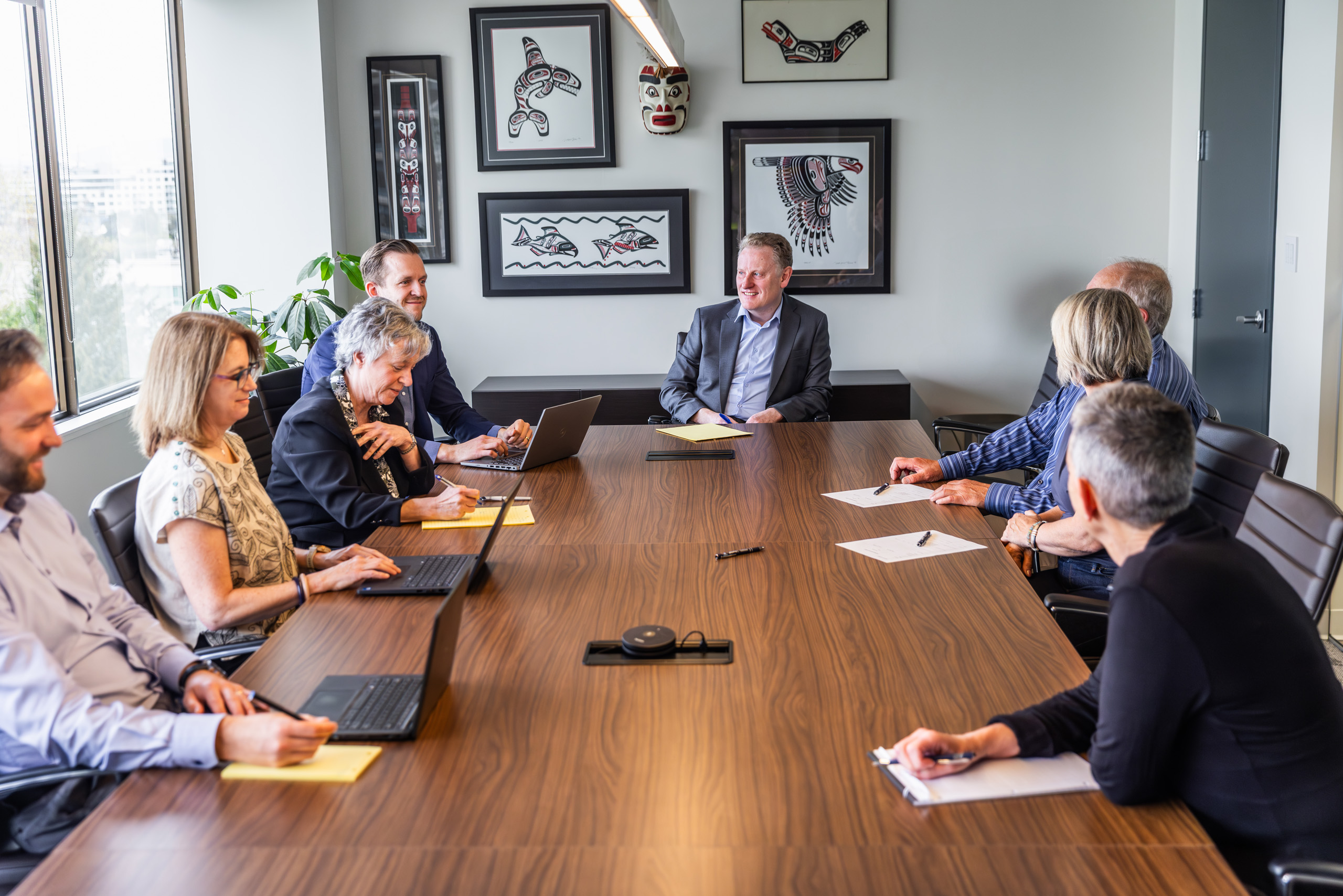
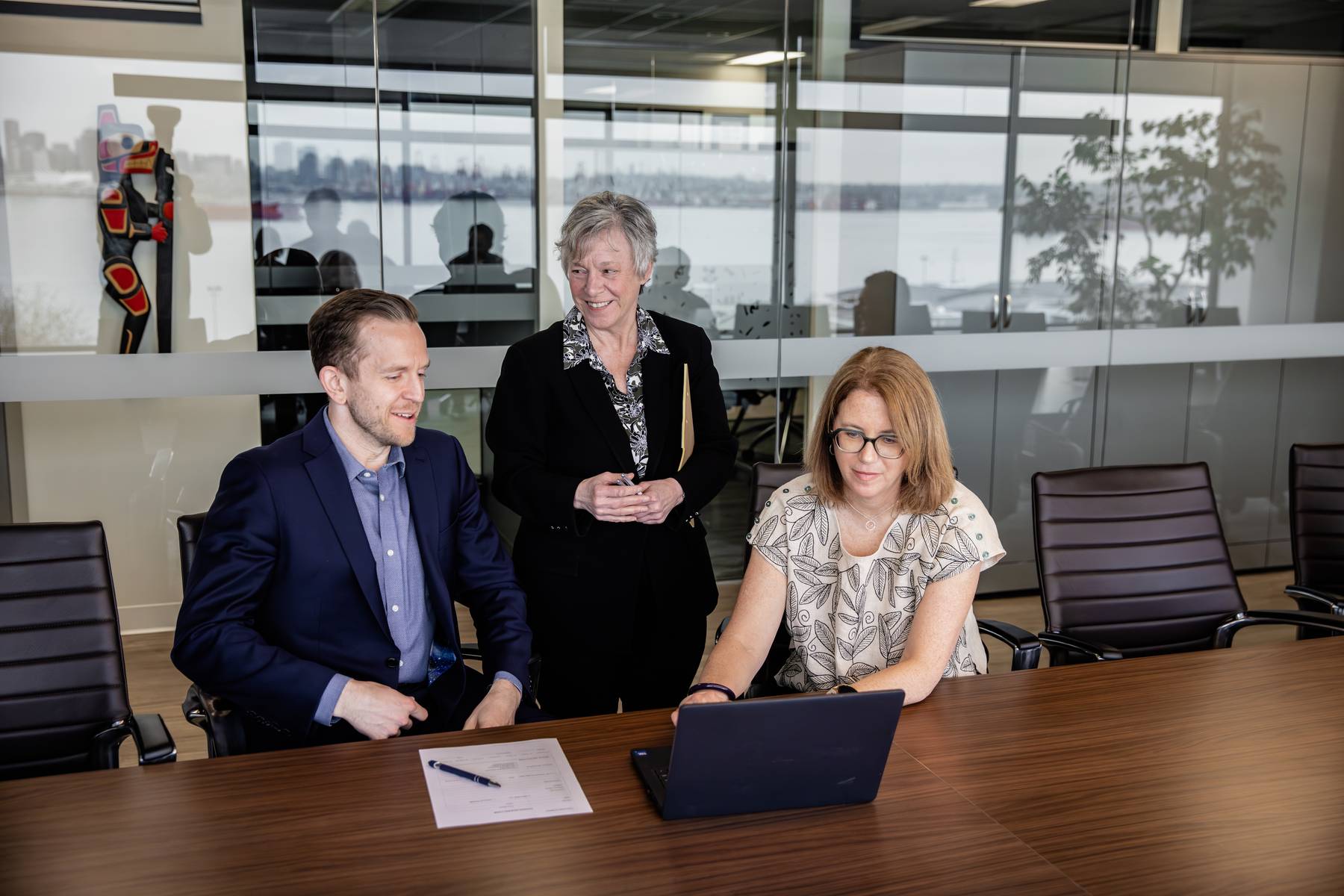
  • ratcliff working together vancouver lawyer
  • ratcliff office team vancouver firm
  • ratcliff fighting for all people lawyer senior couple vancouver ocean
  • ratcliff office logo front desk

ratcliff supporting indigenous communities vancouver

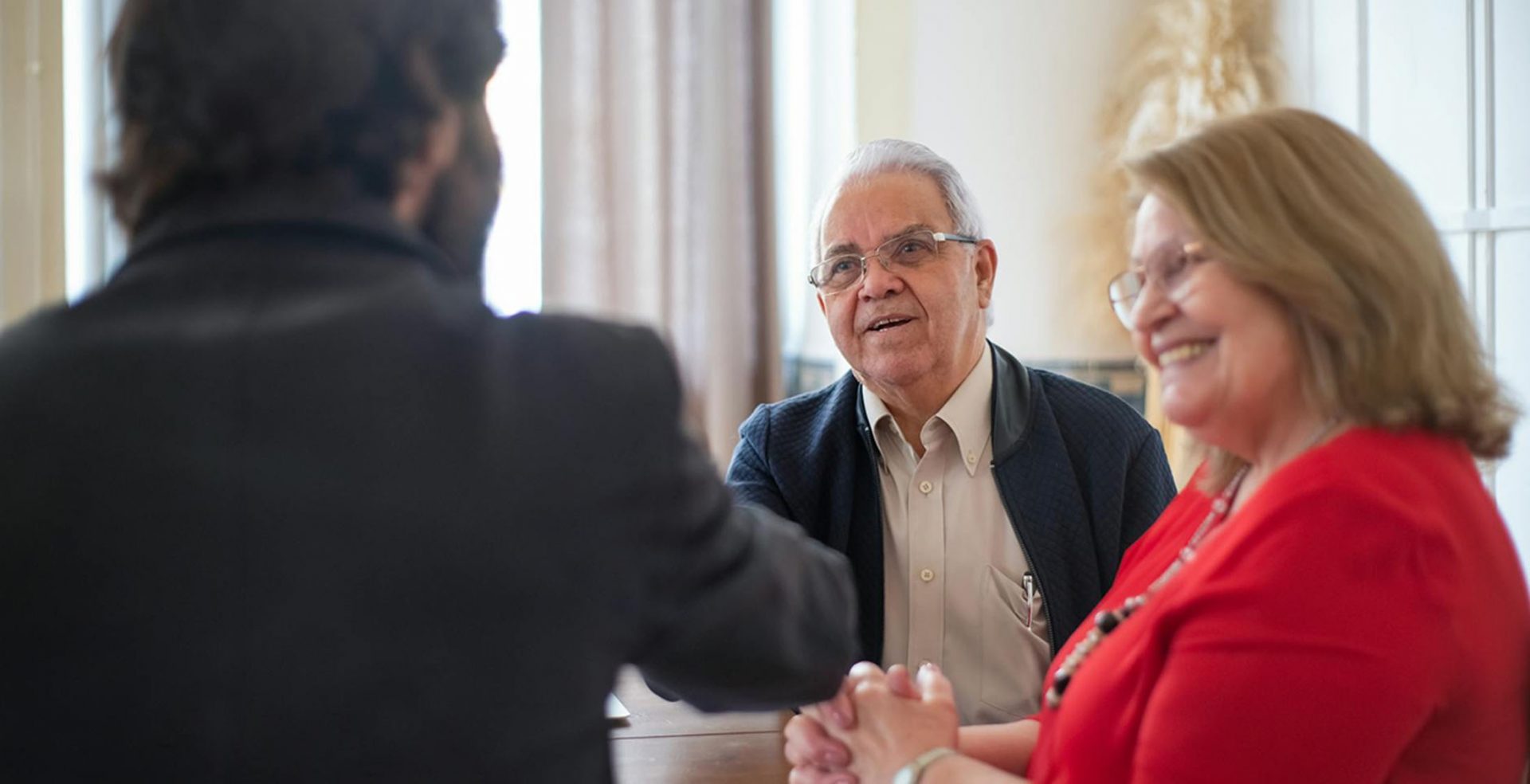
Senior couple meeting financial advisor, shaking hands indoors

Group of people stacking hands in team huddle

Each year, we welcome two articling students into our purpose‑driven practice. Our program offers meaningful, hands‑on learning in a supportive environment. Students work closely with our team on real files involving modern treaty implementation and economic development, gaining practical skills while contributing to stronger Indigenous governance and community‑driven opportunity.